
Choosing the 2026 best Crack Chaser Diamond Blades requires more than comparing catalog prices. Global buyers need verified cutting performance, stable supply, and documented safety practices.
Industry reports point to steady demand for diamond tools as concrete repair, road maintenance, and commercial renovation expand. The Diamond Tools Global Market Report 2025, published by Research and Markets, identifies construction recovery and infrastructure spending as important market drivers. Grand View Research also reports continued growth in concrete-related equipment and surface-treatment applications. These findings support a practical conclusion: blade selection must match the material, repair width, machine power, and working environment.
Performance is visible on the jobsite. A suitable blade should open a clean channel through cured concrete, limit chipping, and maintain a consistent cutting speed. Operators often notice the difference when the segment wears unevenly or dust fills the groove. Small details matter.
Technical specifications should include diameter, arbor size, segment width, bond hardness, and recommended RPM. Buyers should request test data, batch traceability, and clear warranty terms. Independent laboratory reports are useful, but field trials remain essential. Reported figures do not always reflect real concrete conditions.
This guide compares leading Crack Chaser Diamond Blades for international purchasing teams in 2026. It considers cutting life, productivity, compatibility, packaging, certifications, and supplier reliability. Some rankings may change by region or application. That is worth acknowledging. A blade that performs well on dry, aged concrete may not suit wet cutting or abrasive aggregate. Careful verification remains the safest purchasing habit.
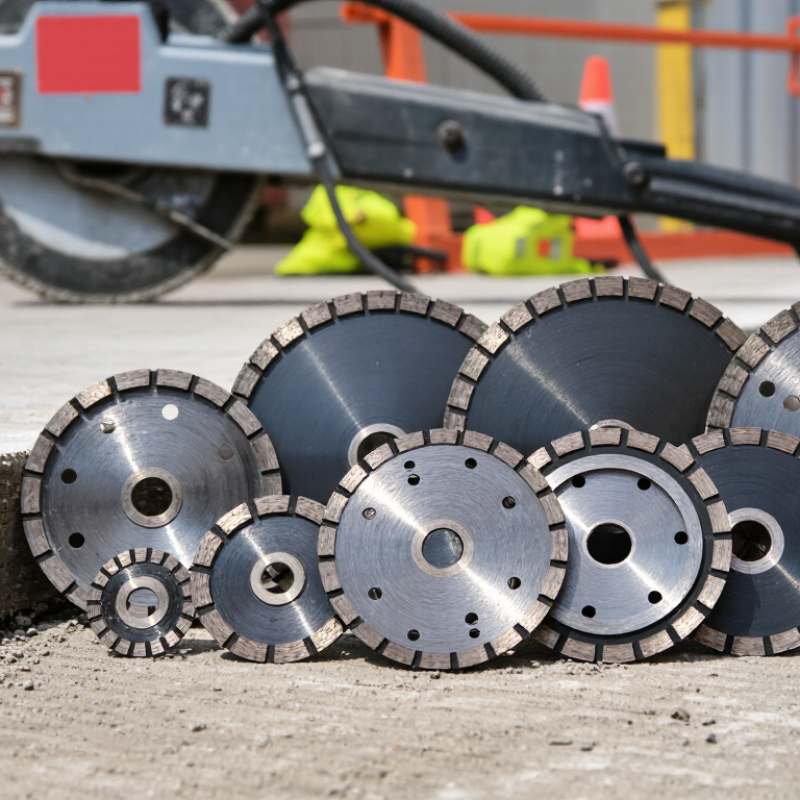
Crack chaser diamond blades are specialized cutting tools for preparing cracks in concrete, masonry, and similar surfaces. Their curved or V-shaped profiles widen narrow cracks into clean repair channels. This shape helps sealants bond more effectively and remain supported inside the groove.
The blade works through exposed diamond particles fixed to a metal segment or rim. As the blade rotates, these particles grind hard mineral material instead of merely scraping it. A suitable blade can create a controlled channel with steady pressure and correct spindle speed. Dry cutting is common, but dust extraction is strongly recommended. Wet cutting may reduce airborne dust, depending on the equipment and repair method. Results still depend on concrete hardness, crack depth, blade quality, and operator control.
Tips: Check the arbor size, maximum RPM, and cutting depth before use. Keep the tool aligned with the crack. Let the diamonds cut naturally. Excessive pressure can overheat the blade and cause uneven wear. Wear eye, hearing, respiratory, and hand protection. A vacuum rated for fine mineral dust improves visibility and workspace safety. I have found that a slower pass often produces a cleaner groove, although it may feel less efficient. No blade fits every surface. Test a small area first, especially when the concrete contains hard aggregate or embedded materials.
Crack chaser diamond blades are abrasive cutting tools designed to open and enlarge cracks in concrete, masonry, and similar mineral-based materials before repair. Their diamond segments grind the material, while V-shaped or U-shaped profiles create a repair-friendly groove. The chart compares common blade diameters using the theoretical half-diameter reference; actual cutting depth depends on blade profile, arbor size, guard clearance, and tool design.
Choosing a crack chaser diamond blade starts with the repair material, not the machine. For cured concrete, a narrow V-shaped blade with a soft bond usually exposes diamonds faster. Hard aggregate can polish a blade quickly. The U.S. Geological Survey reported about 1.5 billion metric tons of crushed stone production in 2024. Aggregate hardness therefore varies widely between regions and projects.
For epoxy-filled cracks, heat control matters. A segmented blade with open gullets can reduce clogging, while short passes protect the resin from softening. Cementitious repair mortars are different. ASTM C928 covers rapid-hardening cementitious materials, which may contain sharp, abrasive particles. These repairs often need a more durable bond and stable segment connection. Check the groove width carefully. Too narrow, and the filler will not bond properly. Too wide, and repair material costs increase.
Wet cutting can reduce dust and extend blade life, but site access may limit water use. OSHA’s respirable crystalline silica limit is 50 micrograms per cubic meter over eight hours. Dust extraction remains essential during dry cutting. In practical testing, operators should inspect the groove after every few meters. I still see blades selected by diameter alone. That is a weak method. Material hardness, repair depth, cutting speed, and cooling conditions deserve equal attention. The perfect specification is rarely perfect on the first attempt.
For global buyers, selecting a crack chaser diamond blade requires more than checking the price. Diameter, segment design, and cutting depth must match the repair task.
Measure the grinder guard and spindle before choosing a blade size. A 100 mm blade suits narrow channels and compact tools. Larger blades can create deeper grooves, but they demand higher machine power and better control. Confirm the maximum rated speed, because an unsuitable blade may wear unevenly or vibrate during cutting. Small differences matter.
Segment width controls the groove’s final shape. Narrow segments remove less material and produce cleaner channels for fine repairs. Wider segments cut faster but may leave a larger opening. Segment height also affects service life. Taller segments usually tolerate longer work on cured concrete, while shorter segments can suit occasional repairs. However, more diamond material does not always mean better performance. I learned this after choosing a thick segment for a soft surface; it cut slowly and loaded with dust.
Cutting depth should match the damaged area, not simply the blade’s maximum capacity. A 125 mm blade may not reach its full theoretical depth because of guard clearance and flange position. Compare the stated depth with the actual machine setup. Leave enough material below the crack to avoid weakening the surface. For dusty indoor work, check whether the blade supports wet or dry cutting, then select suitable extraction equipment. Test one short section first. That small test can expose a poor match before hours of cutting begin.
On global job sites, safety begins before the blade touches concrete. A suitable crack chaser must match the saw’s arbor, diameter, operating speed, and power output. Check every measurement against the equipment manual. Never assume similar-looking blades are interchangeable. A secure guard, stable handle, and controlled cutting posture reduce sudden movement. I have found that rushing setup causes more trouble than slow cutting.
Material compatibility also affects performance. Concrete, brick, asphalt, and reinforced surfaces require different diamond segments and bonding strengths. A blade designed for cured concrete may wear quickly in abrasive masonry. Inspect the segment condition before each shift. Small cracks, missing diamonds, or unusual vibration deserve immediate attention. The best specification can still fail on an unsuitable surface.
Dust control is equally important. Use wet cutting only when the saw and site permit it. Otherwise, connect a tested extraction system and keep the hose close to the cutting point. Fine dust can cover the operator’s face, controls, and nearby workers within seconds. Respiratory protection should match the workplace assessment and local requirements. Keep bystanders away. That detail is often forgotten. Trial cuts help confirm cutting speed, heat buildup, and dust behavior before full production. My own preference is conservative: accept slower progress when visibility, cooling, or blade stability seems uncertain. Mistakes remain possible, especially when field conditions differ from the product data.
Selecting a crack chaser diamond blade starts with the concrete, not the catalogue photograph. Hard concrete usually needs a softer bond, while abrasive concrete benefits from a harder bond. Match the blade’s groove width and depth to the repair compound. Check the arbor size, maximum RPM, and machine compatibility carefully. A blade that fits poorly can vibrate, overheat, or cut unevenly. In 2026, global buyers should request technical sheets, batch traceability, and clear testing records. A low price may hide inconsistent segment height or poor balance.
Tips: Keep the blade dry after use. Remove concrete dust from the core and arbor opening. Inspect segments for cracks, missing diamonds, or uneven wear before every job. Never exceed the rated RPM. Use suitable dust extraction and protective equipment. Small details matter.
During maintenance, avoid forcing the blade through hardened concrete. Let the diamonds cut at a steady feed rate. If cutting slows, an approved dressing method may restore exposure, but aggressive dressing can shorten blade life. Store blades flat in a dry cabinet, away from chemicals and direct heat. Field conditions are rarely perfect. I have found that even a technically correct blade can perform badly when the machine spindle is worn. Recheck the equipment, not only the blade. Test one blade on a small area before placing a large international order.
It widens narrow cracks in concrete, masonry, and similar mineral surfaces. The resulting groove gives repair sealant more space and support.
Exposed diamond particles grind the mineral surface as the blade rotates. They create a controlled channel with steady pressure.
Curved or V-shaped profiles are common for crack preparation. Match the groove width and depth to the repair compound.
Consider concrete hardness, crack size, arbor size, maximum RPM, and machine compatibility. Hard concrete often needs a softer bond. Abrasive concrete may need a harder bond.
Wear eye, hearing, respiratory, and hand protection. Use fine-dust extraction whenever possible. Visibility improves too.
Dry cutting is common for repair work. Wet cutting may reduce airborne dust, but equipment and site conditions still matter.
The arbor may fit poorly, or the spindle may be worn. Excessive pressure, incorrect RPM, and uneven segments can also cause problems.
Use steady pressure and let the diamonds cut naturally. Keep the blade dry, remove dust, and inspect it before every job.
Request technical sheets, batch traceability, and testing records. Test one blade on a small area first. A low price can hide poor balance.
Recheck the machine, spindle, RPM, and concrete hardness. An approved dressing method may restore diamond exposure, but aggressive dressing can shorten blade life.
This guide to 2026 Best Crack Chaser Diamond Blades for Global Buyers explains how Crack Chaser Diamond Blades are designed to widen and clean concrete, masonry, asphalt, and other hard surfaces before repair. It covers how diamond segments remove damaged material efficiently, while blade construction, segment shape, bond hardness, and cooling needs influence performance across different crack-filling materials. Buyers will also learn how diameter, arbor size, segment width, and cutting depth affect productivity and compatibility with common grinders and saws.
The article provides practical advice for comparing blades, selecting suitable specifications, and controlling dust on varied job sites. It highlights the importance of proper guards, personal protective equipment, ventilation, and equipment compatibility for safe operation. The final section explains how to evaluate suppliers, confirm quality and delivery requirements, store blades correctly, inspect them before use, and maintain cutting performance through appropriate cleaning and handling. These guidelines help global purchasers choose reliable solutions for efficient, consistent, and responsible crack repair work.