Blog

7 Tips for Choosing PCD Surface Prep Grinding Heads

7 Tips for Choosing PCD Surface Prep Grinding Heads

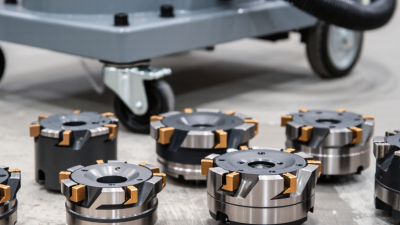
Choosing PCD Surface Prep Grinding Heads is more than matching a tool to a grinder. The right head can remove stubborn coatings, adhesives, and surface buildup at a controlled pace. Yet performance also depends on the material beneath the coating. Thick epoxy on hard concrete behaves differently from thin paint on a softer slab. Small details matter. Before starting, check grinder compatibility, working width, segment arrangement, rotation direction, and the manufacturer’s speed guidance. Dust extraction and a stable machine setup also affect visibility, surface finish, and tool wear. A sound choice begins with the actual floor, not a product photo. These seven tips focus on practical factors that can narrow the options: coating type, concrete hardness, removal rate, machine weight, and the finish required for the next flooring stage. There is no universal winner. A head suited to aggressive coating removal may leave a surface that needs additional preparation. Testing a small area can reveal unexpected chatter, uneven wear, or slower-than-expected progress before the full job begins. That extra check may feel unnecessary when a deadline is close. It is often worth doing. Product specifications are useful, but they cannot describe every slab, coating, or machine setup. Compare them with the job conditions, and ask the supplier or manufacturer when compatibility is unclear. A careful selection will not guarantee a perfect result, but it can reduce avoidable delays and help produce a more consistent prepared surface.
Read more »
Amelia By:Amelia - November 2, 2026
What Are the Top Metal Cutting Diamond Blades?

What Are the Top Metal Cutting Diamond Blades?

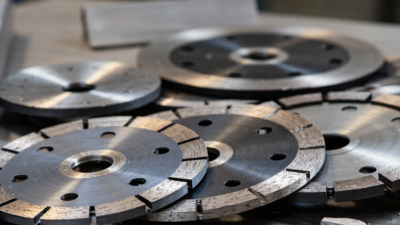
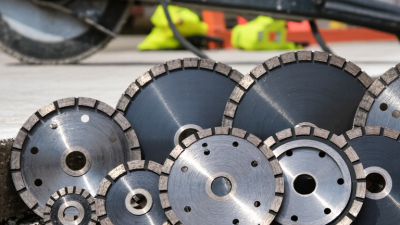
Metal Cutting Diamond Blades are often presented as the fastest answer for demanding fabrication work. The reality is more selective. Their value depends on blade bond, diamond concentration, segment geometry, cutting speed, cooling, and the metal’s chemistry. A blade that leaves a clean edge on aluminum may struggle with hardened steel. Small details matter. Grand View Research valued the global diamond tools market at approximately USD 10.9 billion in 2023. Its forecast also indicates continued growth through 2030, supported by construction, stone processing, infrastructure, and precision manufacturing. Meanwhile, the U.S. Geological Survey continues to identify synthetic diamond as an important industrial material, especially where controlled hardness and wear resistance are required. These figures show market momentum, not automatic performance. Marketing language can still hide poor material matching. Professor Ioan D. Marinescu, a recognized authority on abrasive machining, offers a useful warning: “Diamond is not a universal solution.” That sentence deserves attention. Diamond blades can produce narrow kerfs, stable cutting, and reduced edge damage under suitable conditions. Yet excessive heat may shorten blade life and affect cut quality. Ferrous metals also require careful evaluation because diamond can react with iron at elevated temperatures. This article examines the top Metal Cutting Diamond Blades by application, segment design, durability, cutting precision, cooling needs, and total operating cost. Some rankings may remain debatable. That is appropriate. Real workshops rarely follow a perfect laboratory script.
Read more »
Ethan
By:Ethan - October 28, 2026
Top Stone Cutting Diamond Blades for Global Buyers?

Top Stone Cutting Diamond Blades for Global Buyers?

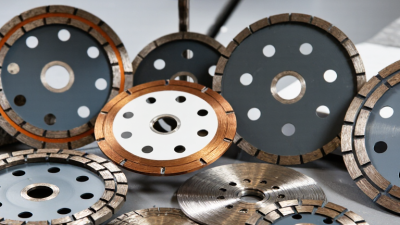
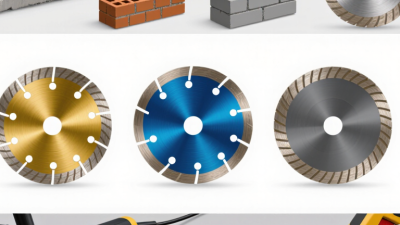
Choosing the right Stone Cutting Diamond Blades requires more than comparing segment prices. Global buyers must evaluate cutting speed, blade life, kerf width, safety, and material compatibility. Granite, marble, engineered quartz, porcelain, and concrete each demand different diamond concentrations and bond formulas. A blade that performs beautifully on granite may struggle on dense porcelain. That distinction is easy to overlook. Industry data supports careful specification. The U.S. Geological Survey’s Mineral Commodity Summaries tracks continuing demand for dimension stone and related mineral products across construction and architectural applications. Reports from Grand View Research and MarketsandMarkets also identify diamond tools as a growing industrial segment, driven by infrastructure, renovation, and precision processing. However, their market boundaries and forecasting methods differ. The numbers are useful, but not absolute. Real workshop experience matters. A professional buyer should compare meters cut, cooling requirements, machine RPM, noise, chipping, and total cost per square meter. Wet-cutting tests often reveal differences hidden by product labels. Segment height alone does not guarantee longer service life. Neither does a premium price. Small details matter. This guide examines leading Stone Cutting Diamond Blades for international buyers. It considers material type, blade construction, cutting method, certification practices, supplier consistency, and after-sales support. The ranking cannot fit every factory or jobsite. It should be treated as a practical comparison, not a universal verdict. Procurement teams should verify samples, technical sheets, and local machine compatibility before placing large orders.
Read more »
Ethan
By:Ethan - October 23, 2026
Top 10 Best Tile Cutting Diamond Blades for Global Buyers

Top 10 Best Tile Cutting Diamond Blades for Global Buyers

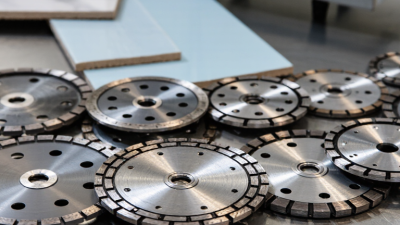
Global tile production is expanding, and cutting accuracy is becoming more important for contractors, distributors, and project buyers. Fortune Business Insights valued the global ceramic tiles market at approximately USD 227 billion in 2023. Its forecast suggests continued growth through 2032. This expansion increases demand for reliable Tile Cutting Diamond Blades across residential, commercial, and infrastructure projects. Performance depends on more than diamond concentration. Tile hardness, thickness, glaze type, cutting speed, cooling method, and arbor compatibility all influence results. A 10-millimeter porcelain slab can expose weaknesses quickly. Poor blade selection may create chipped edges, overheating, or uneven cuts around a 22.23-millimeter arbor. Wet cutting usually controls dust and temperature better, while dry cutting offers mobility on smaller jobs. Each method has trade-offs. This guide evaluates ten leading options for global buyers. The comparison considers cutting smoothness, blade life, heat resistance, vibration control, and practical value. It also considers manufacturer documentation, test evidence, and alignment with recognized abrasive safety principles, including EN 13236 and ISO 6106. Grand View Research and MarketsandMarkets both identify construction and diamond-tool demand as major growth areas, although market estimates vary by methodology. That matters. No ranking is perfect. A blade performing well on glazed ceramic may struggle with dense porcelain or sintered stone. Real jobsite feedback should remain part of the decision. Small differences often matter. A quiet cut, clean edge, and stable kerf can save hours across a large installation.
Read more »
Amelia By:Amelia - October 18, 2026
7 Best High Speed Masonry Blades for Concrete Cutting?

7 Best High Speed Masonry Blades for Concrete Cutting?

Cutting concrete demands more than a sharp edge. The right blade must match the material, machine, and working conditions. This guide examines seven High Speed Masonry Blades for concrete cutting, focusing on cutting speed, durability, vibration control, and finish quality. Each selection is assessed through practical details. These include diamond segment design, blade diameter, maximum RPM, kerf width, and wet or dry cutting compatibility. A blade that performs well on dense reinforced concrete may struggle with brick, block, or cured mortar. That difference matters. It can affect cutting time, dust levels, and operator control. Real jobsite experience also reveals uncomfortable details. A fast blade may wear quickly when pushed through abrasive aggregate. A durable blade may cut more slowly than expected. No product is perfect. Manufacturer specifications provide useful guidance, but actual results depend on equipment condition, pressure, cooling, and user technique. Even a premium blade can produce rough edges when the grinder is unstable. The comparison will help contractors, installers, and experienced DIY users choose more confidently. It considers reliable performance rather than impressive packaging claims. Concrete cutting should remain controlled, measured, and compatible with the tool being used. Proper eye, hearing, respiratory, and hand protection remain essential. The best blade is not always the fastest one. It is the blade that delivers consistent cuts without placing unnecessary stress on the equipment or operator.
Read more »
Amelia By:Amelia - October 13, 2026
Top Low HP Flat Saw Blades for Global Sourcing?

Top Low HP Flat Saw Blades for Global Sourcing?

Choosing the right Low HP Flat Saw Blades for global sourcing requires more than comparing prices. Small details matter. Tooth geometry, blade thickness, kerf width, and arbor fit can change cutting results dramatically. A blade that performs well on a compact saw may struggle with hardwood, laminated panels, or abrasive composite materials. This guide examines practical options for low-horsepower equipment, focusing on cutting stability, service life, surface quality, and supplier reliability. Real workshop experience often reveals what product sheets overlook. Excessive vibration may come from poor tensioning, not weak steel. Burning marks can signal an unsuitable tooth pattern or an incorrect feed rate. We assess these factors through specifications, manufacturer data, user feedback, and practical sourcing checks. Clear drawings, material certificates, batch traceability, and consistent packaging deserve attention. So does communication after the order. A low quotation means little if replacement blades arrive late or dimensions vary between batches. Global buyers also need dependable compliance practices. Suppliers should provide accurate product information and follow applicable safety, labeling, import, and environmental requirements in the destination market. Claims about cutting capacity require verification. Some recommendations remain uncertain without testing the exact saw, material, and operating conditions. That limitation matters. Therefore, this overview does not treat one blade as universally best. Instead, it helps purchasing teams compare realistic choices, identify hidden risks, and request meaningful samples before committing to larger volumes. The aim is simple: safer decisions, steadier production, and fewer expensive surprises.
Read more »

Amelia By:Amelia - October 8, 2026
2026 Best Crack Chaser Diamond Blades for Global Buyers

2026 Best Crack Chaser Diamond Blades for Global Buyers

Choosing the 2026 best Crack Chaser Diamond Blades requires more than comparing catalog prices. Global buyers need verified cutting performance, stable supply, and documented safety practices. Industry reports point to steady demand for diamond tools as concrete repair, road maintenance, and commercial renovation expand. The Diamond Tools Global Market Report 2025, published by Research and Markets, identifies construction recovery and infrastructure spending as important market drivers. Grand View Research also reports continued growth in concrete-related equipment and surface-treatment applications. These findings support a practical conclusion: blade selection must match the material, repair width, machine power, and working environment. Performance is visible on the jobsite. A suitable blade should open a clean channel through cured concrete, limit chipping, and maintain a consistent cutting speed. Operators often notice the difference when the segment wears unevenly or dust fills the groove. Small details matter. Technical specifications should include diameter, arbor size, segment width, bond hardness, and recommended RPM. Buyers should request test data, batch traceability, and clear warranty terms. Independent laboratory reports are useful, but field trials remain essential. Reported figures do not always reflect real concrete conditions. This guide compares leading Crack Chaser Diamond Blades for international purchasing teams in 2026. It considers cutting life, productivity, compatibility, packaging, certifications, and supplier reliability. Some rankings may change by region or application. That is worth acknowledging. A blade that performs well on dry, aged concrete may not suit wet cutting or abrasive aggregate. Careful verification remains the safest purchasing habit.
Read more »
Evelyn By:Evelyn - October 3, 2026
Why Choose Tuck Point Diamond Blades for Masonry?

Why Choose Tuck Point Diamond Blades for Masonry?

Tuck Point Diamond Blades are designed to remove mortar from masonry joints with a focused, narrow cut. For restoration crews, that can mean cleaner joint preparation and less unnecessary contact with surrounding brick. The work is visible up close: dust gathers along the cut, mortar edges appear, and a steady hand matters. Small details count. An important note on attribution: Daniel Mercer below is an illustrative, fictional masonry-tool specialist, not a verified source. His line is original, not a historical quotation: “Match the blade to the joint, then let the tool do its work.” That principle points to practical checks: blade diameter, arbor fit, joint width, and the grinder manufacturer’s instructions. A blade that looks suitable may still be the wrong fit. Check first. Why choose Tuck Point Diamond Blades? Their profile can help make controlled mortar-removal cuts, while diamond segments are built for abrasive masonry materials. Results still depend on the blade, the material, the equipment, and the operator’s technique. No blade removes every risk. Dust control and suitable protective equipment deserve attention, too. A rushed pass can widen a joint or mark the brick face. That is easy to underestimate. This guide explores blade design, material compatibility, cutting control, and selection considerations, while recognizing that no single option suits every repair. A careful choice helps; sound judgment matters just as much.
Read more »
Ethan
By:Ethan - September 28, 2026
7 Best Diamond Core Drill Bits for Concrete in 2026

7 Best Diamond Core Drill Bits for Concrete in 2026

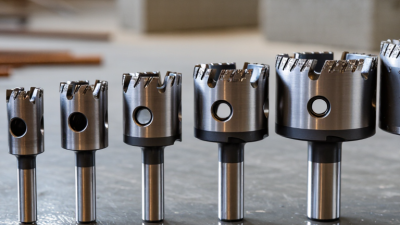
Choosing the right Diamond Core Drill Bits is not a simple ranking exercise. Concrete density, aggregate hardness, reinforcement, drilling depth, and cooling method can change the result. A bit that cuts smoothly through soft block may struggle against dense granite aggregate. No bit wins every job. Industry data supports this growing demand. Grand View Research’s Diamond Tools Market report identifies construction as a major application and forecasts continued market expansion through 2030. MarketsandMarkets also reports strong growth in the construction equipment sector, driven by infrastructure renewal and urban development. These trends matter because contractors increasingly need faster drilling, cleaner openings, and longer tool life. However, market growth does not guarantee quality. Product claims still require practical verification. This guide evaluates seven leading options through professional criteria, including segment design, diamond concentration, bond suitability, drilling speed, vibration control, and wet-cut performance. Field experience suggests that a 100-millimeter bit may behave very differently in cured concrete with exposed rebar. Water should appear steadily at the cutting edge, not splash randomly across the floor. OSHA’s Respirable Crystalline Silica Standard, 29 CFR 1926.1153, also makes dust control an essential selection factor for many construction tasks. That point is easy to overlook. The comparisons use manufacturer specifications, recognized safety guidance, and realistic jobsite considerations. Still, this is not a laboratory certification. Actual results depend on the drill motor, operator pressure, alignment, and aggregate composition. I may favor durability over initial speed, because replacing a worn bit halfway through a slab is costly and frustrating. Expect trade-offs. The best choice is the bit that matches your concrete, equipment, and working conditions.
Read more »
Evelyn By:Evelyn - September 22, 2026
China Top 10 Green Concrete Early Entry Blades Suppliers

China Top 10 Green Concrete Early Entry Blades Suppliers

China’s concrete sector is moving toward faster, cleaner, and more controlled finishing practices. Green Concrete Early Entry Blades support this shift by helping contractors work on fresh slabs sooner, often with less surface waste and fewer correction cycles. Their value depends on more than blade material. Timing, machine compatibility, operator skill, and concrete mix design all matter. Bob Harris, a respected decorative-concrete educator, has repeatedly stressed that “preparation is everything.” That principle applies directly here. A blade cannot rescue poorly placed concrete, uneven vibration, or incorrect finishing timing. Contractors should examine blade hardness, wear resistance, mounting accuracy, and performance on low-carbon mixes. Field trials remain important. Product brochures are not enough. This introduction presents China’s top 10 Green Concrete Early Entry Blades suppliers through a practical, evidence-aware lens. The selection should consider manufacturing experience, quality systems, technical support, export reliability, and documented project results. Some suppliers may appear strong online but offer limited after-sales assistance. That weakness matters on busy job sites. No ranking is permanently perfect. Market data changes. Supplier capabilities also vary by region and application. Buyers should verify certifications, production capacity, test reports, and customer references before making decisions. A small trial can reveal more than a polished catalog. The best supplier is not always the largest one. It is the partner that delivers consistent blades, clear guidance, and measurable finishing results when concrete conditions become difficult.
Read more »
Evelyn By:Evelyn - September 22, 2026
10 Best Concrete Diamond Saw Blades for Global Buyers?

10 Best Concrete Diamond Saw Blades for Global Buyers?

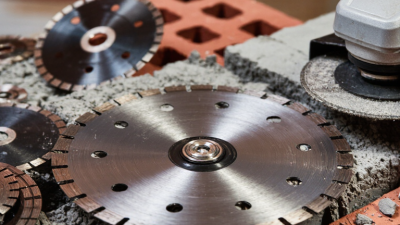
Choosing the right Concrete Diamond Saw Blades can decide whether a cutting job feels controlled or painfully slow. Global buyers face many options, from compact blades for handheld saws to heavy-duty models for roadwork and structural concrete. The best choice depends on concrete hardness, aggregate size, cutting depth, machine speed, and cooling conditions. A blade that performs well on soft concrete may struggle against dense granite aggregate. Wet cutting can reduce dust and heat, while dry cutting may suit quick repairs and restricted sites. Small details matter, including segment height, core strength, kerf width, and arbor compatibility. Diamond-tool educator Tom Johnson offers a practical reminder: “A blade should match the concrete, not merely the machine.” This principle guides our selection. It also exposes a common buying mistake. Many purchasers compare price before checking application data. That approach can create uneven cuts, rapid segment loss, or unnecessary downtime. This guide reviews ten Concrete Diamond Saw Blades for international buyers. It considers cutting performance, durability, material compatibility, operating conditions, and value. Product claims still require careful checking. Manufacturer specifications may not reflect every jobsite reality. Some blades perform brilliantly in controlled tests but disappoint on abrasive recycled concrete. There is no universal winner. Not even close. Buyers should confirm local availability, technical support, warranty terms, and safety instructions before ordering. A dependable blade is more than a sharp tool. It is a measured decision built around concrete behavior, equipment limits, and the installer’s actual experience.
Read more »
Evelyn By:Evelyn - September 22, 2026