
Choosing the right Diamond Core Drill Bits is not a simple ranking exercise. Concrete density, aggregate hardness, reinforcement, drilling depth, and cooling method can change the result. A bit that cuts smoothly through soft block may struggle against dense granite aggregate. No bit wins every job.
Industry data supports this growing demand. Grand View Research’s Diamond Tools Market report identifies construction as a major application and forecasts continued market expansion through 2030. MarketsandMarkets also reports strong growth in the construction equipment sector, driven by infrastructure renewal and urban development. These trends matter because contractors increasingly need faster drilling, cleaner openings, and longer tool life. However, market growth does not guarantee quality. Product claims still require practical verification.
This guide evaluates seven leading options through professional criteria, including segment design, diamond concentration, bond suitability, drilling speed, vibration control, and wet-cut performance. Field experience suggests that a 100-millimeter bit may behave very differently in cured concrete with exposed rebar. Water should appear steadily at the cutting edge, not splash randomly across the floor. OSHA’s Respirable Crystalline Silica Standard, 29 CFR 1926.1153, also makes dust control an essential selection factor for many construction tasks. That point is easy to overlook.
The comparisons use manufacturer specifications, recognized safety guidance, and realistic jobsite considerations. Still, this is not a laboratory certification. Actual results depend on the drill motor, operator pressure, alignment, and aggregate composition. I may favor durability over initial speed, because replacing a worn bit halfway through a slab is costly and frustrating. Expect trade-offs. The best choice is the bit that matches your concrete, equipment, and working conditions.
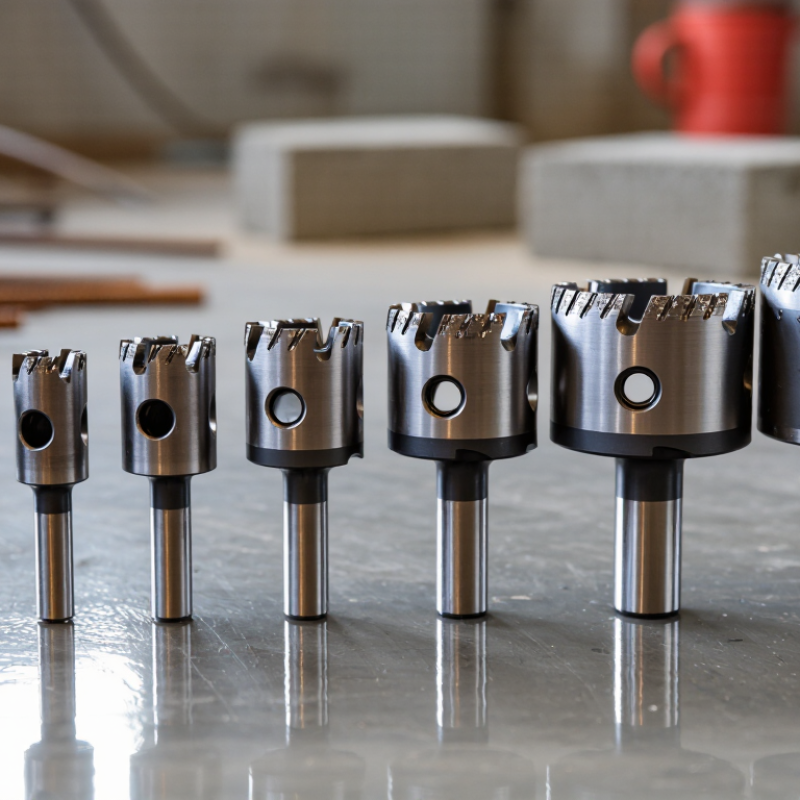
Diamond core drill bits for concrete are hollow cylindrical cutting tools with diamond segments bonded around their rim. They remove a circular core instead of pulverizing the entire surface. This makes them useful for anchor holes, plumbing routes, ventilation openings, and structural testing.
The diamond particles grind concrete, while the hollow barrel guides the cut. Water is often fed through the barrel to cool the segments and control dust. That detail matters. OSHA’s respirable crystalline silica standard sets a permissible exposure limit of 50 micrograms per cubic meter over an eight-hour shift. Wet drilling can help control airborne silica, but it does not replace ventilation, exposure assessment, or suitable respiratory protection. In practice, bit life depends on aggregate hardness, reinforcement, drilling pressure, and cooling flow. A bit may look sharp but cut poorly after striking dense steel. This is where simple product rankings can become misleading.
Tips: Match the bit diameter and connection to the drilling rig. Keep the barrel aligned, use steady pressure, and avoid forcing the cut. Check water flow before drilling. Stop if the bit overheats, binds, or produces unusual vibration. Concrete is rarely uniform, so expect slower progress near heavy reinforcement. That is an inconvenient truth. Also inspect the finished core and hole wall; a clean opening does not always mean the surrounding concrete remained undamaged. Consult current OSHA silica guidance and the Concrete Sawing and Drilling Association’s safety recommendations before field use.
| Rank | Diamond Core Bit Type | Recommended Diameter | Typical Usable Drilling Depth | Shank or Connection | Concrete Compatibility | Wet or Dry Use | Best Application | Key Advantage | Main Limitation | Performance Rating |
|---|---|---|---|---|---|---|---|---|---|---|
| 1 | Segmented Diamond Core Bit | 102 mm (4 in) | 300 mm (11.8 in) | 1 1/4 in–7 UNC | Reinforced concrete, masonry, and hard concrete | Wet | Anchor holes, pipe penetrations, and structural openings | Fast cutting and effective debris removal through open segments | Requires water management and a compatible core drilling rig | ★★★★★ |
| 2 | Turbo-Rim Diamond Core Bit | 68 mm (2 11/16 in) | 150 mm (5.9 in) | M14 or 5/8 in–11 | Cured concrete, block, brick, and concrete pavers | Wet / Dry | Electrical conduit holes and light plumbing work | Smooth, continuous rim with reduced vibration and clean edges | Not intended for extended drilling in heavily reinforced concrete | ★★★★☆ |
| 3 | Vacuum-Brazed Diamond Core Bit | 51 mm (2 in) | 100 mm (3.9 in) | 1/2 in–20 or 5/8 in–11 | Concrete, reinforced concrete, stone, and dense masonry | Dry | Portable drilling where water cannot be used | High diamond exposure and convenient dry operation | Dust extraction is essential and service life can fall in abrasive concrete | ★★★★☆ |
| 4 | Electroplated Diamond Core Bit | 25 mm (1 in) | 80 mm (3.1 in) | 6 mm or 1/4 in shank | Concrete tile, thin concrete panels, and soft-to-medium masonry | Wet | Small holes for anchors, fixtures, and cable routes | Sharp cutting action and low initial purchase cost | Limited diamond layer depth makes it less suitable for heavy production work | ★★★☆☆ |
| 5 | Thin-Wall Diamond Core Bit | 32 mm (1 1/4 in) | 150 mm (5.9 in) | 1/2 in–20 or M14 | Non-reinforced concrete, brick, block, and tile | Wet / Dry | Clean installation holes in finished surfaces | Removes less material and drills relatively quickly with a compact tool | Thin walls can distort if excessive side pressure is applied | ★★★☆☆ |
| 6 | Long-Barrel Diamond Core Bit | 80 mm (3 1/8 in) | 450 mm (17.7 in) | 1 1/4 in–7 UNC | Deep reinforced-concrete and masonry drilling | Wet | Long pipe sleeves, service ducts, and deep penetrations | Provides substantial drilling depth without frequent bit extensions | Needs a rigid stand, accurate alignment, and controlled feed pressure | ★★★★☆ |
| 7 | Continuous-Rim Diamond Core Bit | 40 mm (1 9/16 in) | 120 mm (4.7 in) | 5/8 in–11 or M14 | Concrete block, green concrete, tile, and softer concrete | Wet | Applications requiring a neat, low-chipping hole | Produces clean hole walls and a consistent finish | Can run hotter and slower than segmented designs in hard concrete | ★★★☆☆ |
They are hollow cutting tools with diamond segments around the rim. They remove round concrete cores instead of crushing the whole surface.
They create openings for anchors, pipes, ventilation, and structural testing. The resulting hole is usually cleaner than an impact-drilled opening.
Wet drilling cools the segments and reduces airborne dust. It does not replace ventilation, exposure assessment, or suitable respiratory protection.
No. Dry drilling is more portable, but it can create heavy dust and overload the operator or machine. Small jobs still need controls.
Match the diameter, connection, rotation speed, and drilling method to your equipment. Also consider aggregate hardness and possible steel reinforcement.
Concrete is rarely uniform. Dense aggregate or reinforcement can slow progress and wear the segments quickly. That is frustrating, but normal.
Check water flow before drilling. Keep the barrel aligned and apply steady pressure. Stop if the bit overheats, binds, or vibrates unusually.
Not necessarily. A fast bit may leave chipped edges or damage nearby concrete. Test results can look better than real jobsite performance.
Check the core, hole wall, edge, and surrounding concrete. A clean opening does not prove the surrounding structure stayed undamaged.
Yes. Dense steel, worn segments, poor cooling, or incorrect pressure can reduce performance. Appearance alone is an unreliable guide.
This guide explores the seven best Diamond Core Drill Bits for Concrete in 2026, explaining how these specialized tools create clean, accurate holes in concrete, reinforced concrete, masonry, and other tough materials. It outlines the main factors to consider when choosing a bit, including diameter, drilling depth, segment quality, connection type, wet or dry compatibility, and the requirements of different drilling machines. The comparison also reviews key features, expected performance, durability, and compatibility to help users match a bit with their project needs.
The article further provides practical advice for safe operation, including securing the work area, using appropriate protective equipment, controlling drilling speed, and managing dust or water responsibly. Maintenance guidance covers cleaning, inspecting segments, preventing overheating, and storing bits correctly. Finally, it discusses buying considerations such as material quality, intended workload, replacement costs, and long-term value, helping readers select reliable equipment for efficient and precise concrete drilling.