Metal Cutting Diamond Blades are often presented as the fastest answer for demanding fabrication work. The reality is more selective. Their value depends on blade bond, diamond concentration, segment geometry, cutting speed, cooling, and the metal’s chemistry. A blade that leaves a clean edge on aluminum may struggle with hardened steel. Small details matter.
Grand View Research valued the global diamond tools market at approximately USD 10.9 billion in 2023. Its forecast also indicates continued growth through 2030, supported by construction, stone processing, infrastructure, and precision manufacturing. Meanwhile, the U.S. Geological Survey continues to identify synthetic diamond as an important industrial material, especially where controlled hardness and wear resistance are required. These figures show market momentum, not automatic performance. Marketing language can still hide poor material matching.
Professor Ioan D. Marinescu, a recognized authority on abrasive machining, offers a useful warning: “Diamond is not a universal solution.” That sentence deserves attention. Diamond blades can produce narrow kerfs, stable cutting, and reduced edge damage under suitable conditions. Yet excessive heat may shorten blade life and affect cut quality. Ferrous metals also require careful evaluation because diamond can react with iron at elevated temperatures. This article examines the top Metal Cutting Diamond Blades by application, segment design, durability, cutting precision, cooling needs, and total operating cost. Some rankings may remain debatable. That is appropriate. Real workshops rarely follow a perfect laboratory script.
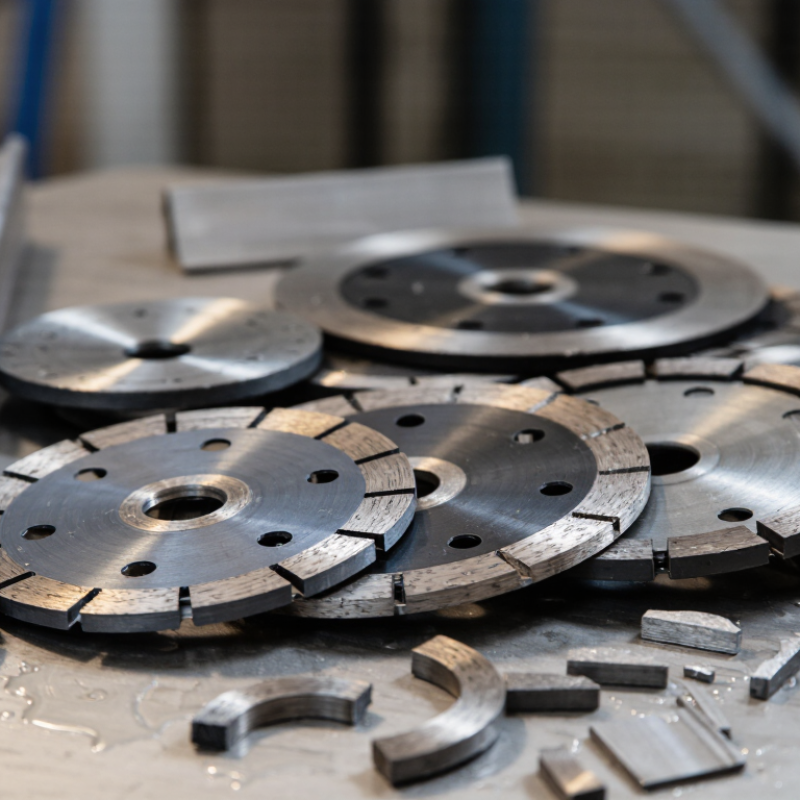
Metal-cutting diamond blades are cutting tools that use industrial diamond grit to remove metal through controlled abrasion. The diamond particles are fixed to the blade edge by a bonded matrix, brazed layer, or plated surface. Unlike ordinary abrasive wheels, these blades can maintain a sharper cutting action for certain hard, dense materials.
They are not universal blades. Some perform well on cast iron, hardened alloys, rebar, stainless components, or metal-filled construction materials. The best choice depends on the metal’s hardness, thickness, heat sensitivity, and cutting speed. A continuous rim can produce a smoother cut, while segmented edges may release heat and debris more effectively. Cooling can also matter. Excessive heat may weaken the bond and shorten blade life.
The top metal-cutting diamond blade is not simply the one with the most diamonds. It should match the material and cutting equipment. Check the blade’s rated speed, arbor size, bond type, and recommended application. Wear eye, hand, hearing, and respiratory protection, especially when dry cutting creates fine dust. Some operators expect diamond blades to solve every cutting problem. That expectation is flawed. Ferrous metals can cause chemical and thermal wear to diamond grit, so a carbide or conventional abrasive blade may sometimes be more practical. Field testing remains valuable. A blade that cuts cleanly on thin stainless sheet may struggle badly with thick steel plate.
Diamond blades designed for metal use a steel core with synthetic diamond particles held in a bonded cutting layer. They do not cut like a toothed saw. Instead, exposed diamond edges grind through the metal while the bond gradually releases worn particles. Fresh abrasive appears as the segment wears. This action can produce a narrow kerf and a controlled edge. It also creates substantial friction.
Heat is the main concern. Some ferrous alloys can react with carbon at high temperatures, reducing diamond life and causing rapid segment wear. Specialized metal-cutting designs use carefully selected bonds, diamond concentration, and segment shapes to manage this problem. Cooling may lower heat, but the method must match the blade and machine. A steady feed is safer than forcing the disc. Too much pressure can glaze the segment, bend the core, or stall the tool. Keep it steady.
In workshop use, I watch sparks, sound, and cutting speed. A sudden pitch change may signal loading or overheating. I stop, inspect the blade, and check the rated RPM before continuing. Guards and eye protection remain essential, even for experienced operators. I have sometimes mistaken a slow cut for a dull blade; cleaning or reducing pressure solved it. That reminder matters. Material thickness, hardness, and cutting direction all influence performance. A blade that works well on thin stainless sheet may struggle with thick structural steel. Verify the manufacturer’s technical guidance and test on scrap before production work.
Metal-cutting diamond blades work through controlled abrasion: exposed diamond grit removes material while the bond releases worn particles and exposes fresh cutting edges. Material thermal properties help explain cutting difficulty and heat generation.
Melting-point values are approximate and represent commonly used commercial grades. Diamond blades are especially useful for abrasive, non-ferrous, and composite metals; steel cutting requires careful control of heat, speed, and blade compatibility.
Metal-cutting diamond blades are available in several designs, and each suits a different cutting condition. Electroplated blades carry one exposed layer of diamond grit on the rim. They cut quickly and leave a narrow kerf, making them useful for thin sheet metal, wire rope, and small tubing. Their cutting action feels sharp at first. However, the exposed grit wears away faster than a multilayer bond.
Vacuum-brazed blades use heat-bonded diamond particles along the rim and gullets. They usually remove material aggressively and tolerate dry cutting better than many conventional designs. These blades can handle hardened alloys, cast iron, and reinforced components when their specifications match the job. Sintered metal-bond blades contain several diamond layers inside the rim. They offer longer service life, but they may cut more slowly and need steady pressure. Poor cooling can glaze the rim.
Rim shape also matters. Segmented rims help clear chips and control heat. Continuous rims produce smoother edges on thinner sections. Turbo rims balance cutting speed and finish. In practical trials, I have found that “universal” blades often perform unevenly on steel. Diamond can react badly with ferrous metals at excessive heat, so a blade designed for masonry is not automatically suitable for metal. Check the rated material, operating speed, cutting depth, and cooling method before use. The fit may look correct, yet the wrong bond can waste a blade within minutes.
What Are the Top Metal Cutting Diamond Blades?
A top-performing diamond blade begins with the right bond and diamond concentration. Hard metals usually need a softer bond, allowing fresh diamond particles to appear during cutting. Softer metals may perform better with a harder bond. This detail is often missed. Cutting speed alone does not prove quality.
A reinforced steel core should remain stable under pressure. Excessive vibration can produce uneven cuts, damaged edges, and unnecessary operator fatigue. Laser-welded segments improve durability during demanding work, while carefully designed gullets help remove heat and debris. Heat tells a story. If the blade becomes discolored, the cutting pressure, speed, or cooling method may be wrong. A narrow kerf can reduce material loss, but it may flex during heavy cutting. The longest-lasting blade is not always the best choice.
Tips: Match the blade to the exact metal, thickness, and cutting equipment. Use steady pressure instead of forcing the blade. Check segment wear regularly, especially after cutting stainless steel or thick structural sections. A small test cut can reveal vibration, overheating, or poor compatibility before a full job begins. Personal protective equipment and the equipment manufacturer’s operating instructions still matter. Reliability comes from consistent setup, not marketing claims.
Choosing a metal-cutting diamond blade starts with the metal, not the blade label. Steel is ferrous and can rapidly wear diamond when friction creates excessive heat. The World Steel Association reported about 1.89 billion tonnes of crude steel production in 2023. That scale reflects enormous variation, from mild steel to hardened tool steel. For mild and structural steel, choose a blade specifically rated for ferrous cutting, often using an abrasive or CBN design rather than standard diamond.
Non-ferrous metals require a different approach. The International Aluminium Institute reported 70.6 million tonnes of primary aluminium production in 2023. Aluminium, copper, and brass are softer, but they can clog a blade’s cutting surface. Select an open-segment diamond blade with strong chip clearance and a bond designed for non-ferrous alloys. Use steady feed pressure. Let the blade cut.
Coolant can reduce heat and loading, where the equipment permits it. Check the blade’s rated speed, material range, and maximum thickness before cutting. A thin sheet needs a finer, more controlled segment. Thick plate needs deeper gullets and better debris removal. Do not assume a masonry diamond blade will cut metal safely. It may cut briefly, then glaze or overheat. The rule is useful, but not absolute. Alloy chemistry, hardness, and machine rigidity can change the result. I would recheck the cut after the first few passes.
| Metal or Alloy | Recommended Diamond Blade Type | Diamond Suitability | Typical Abrasive Specification | Cooling and Cutting Method | Main Advantages | Important Limitations |
|---|---|---|---|---|---|---|
| Aluminum | Electroplated diamond blade or a diamond blade specifically designed for non-ferrous metals | Good, especially for thin sections, composites, and abrasive aluminum alloys | Medium diamond grit with an open cutting structure; a low-friction blade body is preferred | Use dry cutting only when permitted; otherwise use suitable coolant and frequent chip clearing | Low kerf loss, clean edges, and long life on abrasive or reinforced aluminum materials | Soft aluminum can load the blade; excessive pressure may cause smearing and overheating |
| Copper and Brass | Electroplated diamond blade with a high-clearance cutting surface | Good for controlled production cutting and thin-walled components | Fine to medium grit; open exposure helps reduce loading | Moderate feed pressure, secure workholding, and coolant when heat or burr control is important | Precise cuts and reduced burr formation compared with coarse abrasive wheels | Ductile copper and brass may clog the cutting surface; avoid forcing the blade |
| Tungsten Carbide | Diamond or polycrystalline diamond blade intended for carbide and hard composite materials | Excellent; diamond is well suited to the high hardness of tungsten carbide | Fine diamond grit for finish quality; medium grit for faster stock removal | Wet cutting is commonly preferred for heat control and surface finish | High dimensional accuracy, low cutting force, and excellent edge quality | The blade must be operated within its rated speed; impact and side loading can damage the carbide or blade |
| Stainless Steel | Only a metal-specific diamond blade approved for stainless steel; abrasive or carbide alternatives are often more practical | Limited to moderate; results depend strongly on grade, thickness, and heat control | Tough bond, controlled diamond exposure, and a blade designed to resist heat buildup | Use coolant where allowed, maintain a steady feed, and avoid dwelling in the cut | Can produce a narrow, accurate cut in selected applications | Stainless steel work-hardens and conducts heat poorly; a general-purpose diamond blade may wear rapidly |
| Tool Steel and Carbon Steel | Generally use a bonded abrasive, carbide-tipped, or other blade designed for ferrous metals instead of a conventional diamond blade | Poor for continuous cutting; iron can chemically attack diamond at elevated cutting temperatures | If diamond is specified, use a specialized coated or engineered system with documented ferrous-metal compatibility | Follow the blade maker’s speed and coolant requirements; avoid overheating | Specialized systems may provide low burrs and accurate cuts in limited applications | Conventional diamond blades can suffer rapid wear, thermal damage, and reduced cutting efficiency |
| Cast Iron | Abrasive or carbide blade designed for cast iron; use a diamond blade only when specifically approved | Limited; the ferrous content and abrasive graphite structure can create severe wear conditions | Specialized heavy-duty construction with strong segment retention, if diamond is used | Use controlled feed pressure and adequate dust or coolant management according to the application | A suitable specialized blade can reduce vibration and improve cut consistency | General-purpose diamond blades are not normally the first choice for thick cast iron |
| Titanium and Titanium Alloys | Specialized diamond or advanced abrasive blade approved for titanium applications | Application-dependent; titanium is difficult to cut because it retains heat and can react with cutting abrasives | Controlled grit exposure, stable bond, and strong heat resistance | Use conservative parameters, continuous coolant when specified, and a firm, vibration-free setup | Potentially precise cutting with low mechanical force in specialized equipment | Overheating can damage both the blade and the workpiece; verify compatibility before production use |
| Metal Matrix Composites | Electroplated or resin-bonded diamond blade designed for composite reinforcement | Excellent when the matrix contains hard ceramic particles such as silicon carbide or alumina | Medium to fine grit selected according to reinforcement size and required finish | Wet cutting is often preferred to control heat and airborne particles | High wear resistance, accurate kerf control, and good performance on abrasive inclusions | Blade selection must account for both the metal matrix and the reinforcement; loading can occur in ductile matrices |
It uses industrial diamond particles to remove metal through controlled abrasion. The particles stay fixed along the cutting edge.
No. Material hardness, thickness, heat sensitivity, and cutting speed all affect performance. One blade cannot solve every cutting problem.
Hard metals often need a softer bond, which exposes fresh diamond particles during cutting. Match the blade to the exact alloy.
Segmented edges usually release heat and chips better. Continuous rims may create smoother cuts on suitable materials.
Some can, but ferrous steel may chemically and thermally wear diamond grit. A conventional abrasive or CBN blade may work better.
Choose an open-segment blade with strong chip clearance. Softer metals can clog the cutting surface quickly.
Discoloration, glazing, vibration, or slower cutting can indicate excessive heat. Reduce pressure, adjust speed, or use permitted cooling.
Check rated speed, arbor size, and maximum thickness. Wear eye, hand, hearing, and respiratory protection during dusty dry cutting.
Yes. Make a small test cut first. It can reveal vibration, overheating, flexing, or poor compatibility.
Not necessarily. A narrow kerf may reduce waste but flex under heavy loads. Reliability depends on the complete setup, not one feature.
Metal Cutting Diamond Blades are specialized cutting tools designed to slice through hard metals and metal-based materials with controlled precision. Unlike conventional abrasive blades, they use diamond segments or a diamond-coated edge to improve cutting efficiency, reduce material loss, and maintain performance during demanding work. Their operation depends on the interaction between the blade’s cutting edge, bonding system, rotation speed, and the material being processed.
Available designs may include segmented, continuous-rim, and specially bonded blades, each suited to different levels of speed, finish, and durability. A top-performing blade should offer strong segment retention, consistent diamond distribution, effective heat control, low vibration, and reliable wear resistance. Choosing the right blade requires considering the metal’s hardness, thickness, shape, and intended cutting method. Softer metals may require a different bond and tooth structure than hardened steel or metal composites, while proper operating speed and cooling can further improve safety, accuracy, and blade life.