Choosing the right Low HP Flat Saw Blades for global sourcing requires more than comparing prices. Small details matter. Tooth geometry, blade thickness, kerf width, and arbor fit can change cutting results dramatically. A blade that performs well on a compact saw may struggle with hardwood, laminated panels, or abrasive composite materials. This guide examines practical options for low-horsepower equipment, focusing on cutting stability, service life, surface quality, and supplier reliability.
Real workshop experience often reveals what product sheets overlook. Excessive vibration may come from poor tensioning, not weak steel. Burning marks can signal an unsuitable tooth pattern or an incorrect feed rate. We assess these factors through specifications, manufacturer data, user feedback, and practical sourcing checks. Clear drawings, material certificates, batch traceability, and consistent packaging deserve attention. So does communication after the order. A low quotation means little if replacement blades arrive late or dimensions vary between batches.
Global buyers also need dependable compliance practices. Suppliers should provide accurate product information and follow applicable safety, labeling, import, and environmental requirements in the destination market. Claims about cutting capacity require verification. Some recommendations remain uncertain without testing the exact saw, material, and operating conditions. That limitation matters. Therefore, this overview does not treat one blade as universally best. Instead, it helps purchasing teams compare realistic choices, identify hidden risks, and request meaningful samples before committing to larger volumes. The aim is simple: safer decisions, steadier production, and fewer expensive surprises.
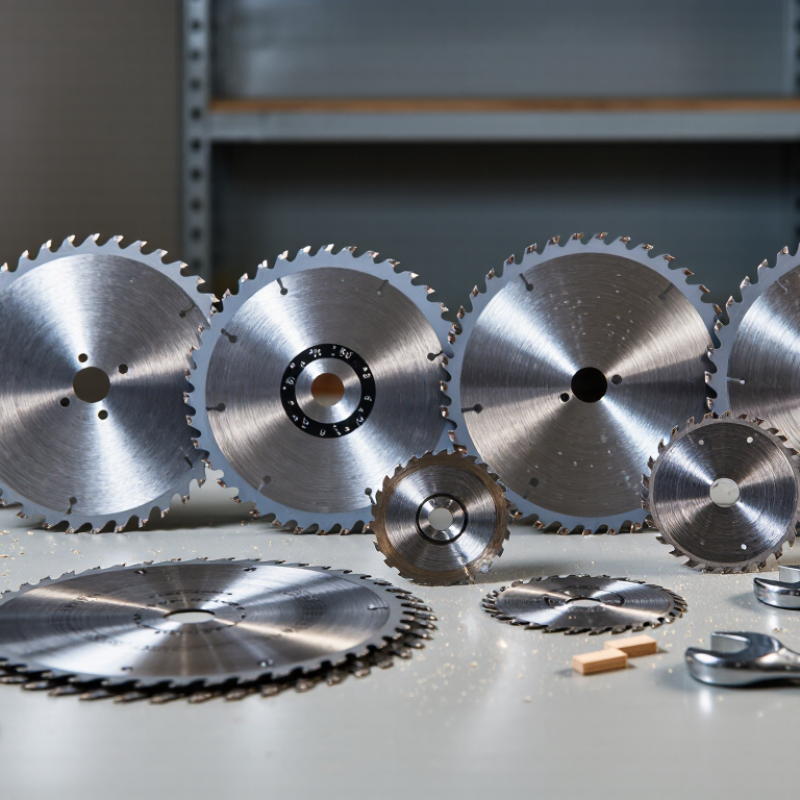
What Defines a Low-HP Flat Saw Blade?
A low-HP flat saw blade is designed to cut efficiently on machines with limited motor power. “Low HP” does not simply mean a smaller blade. It usually reflects a thinner kerf, reduced plate thickness, and tooth geometry that lowers cutting resistance. A flat-top tooth leaves a level-bottom groove, making it useful for controlled rip cuts in wood-based materials. That distinction matters.
In practical sourcing, examine the blade’s kerf, tooth count, hook angle, gullet size, and arbor fit together. A narrow kerf removes less material, but it may deflect if the plate lacks stiffness. Fewer teeth can clear chips faster, while excessive hook angle may increase grabbing during manual feeding. Measure it. Ask for cutting tests using the target material, feed rate, and motor rating. I have found that a blade performing well in dry softwood may struggle in dense hardwood or laminated panels.
Reliable suppliers should provide runout tolerance, carbide grade, balancing information, and recommended operating limits. These details support technical comparison across markets. Packaging and labeling should also identify diameter, kerf, bore, tooth count, and application clearly. A small oversight can cause vibration or unsafe fitting. Low-HP performance is therefore a system result, not a marketing label. Sometimes, the “best” blade still needs a slower feed.
Key Blade Features for Efficient Low-Power Cutting
Top Low HP Flat Saw Blades for Global Sourcing?
Low-power cutting depends on reducing resistance, not simply adding teeth. The International Energy Agency reports that electric motors consume about 45% of global electricity. Small efficiency gains therefore matter in workshops using compact saws. A thin, stable kerf can reduce feed load and heat. However, ultra-thin is not always better. A flexible blade may wander through dense timber or composite sheet.
Look for carbide teeth matched to the material. A moderate tooth count often clears chips better than an overcrowded pattern. Deep gullets help during fast cuts, while a controlled rake angle reduces sudden grabbing. The United States Department of Energy’s Industrial Decarbonization Roadmap identifies motor-driven systems as using roughly 68% of industrial electricity. Blade geometry cannot fix a poorly aligned machine, but it can reduce unnecessary strain.
Check plate flatness, tooth uniformity, and measured runout before purchasing globally. Even a small deviation can create vibration, noise, and uneven edges at low horsepower. Coatings may improve wear resistance, yet they cannot replace correct tooth design. I have seen buyers focus on advertised cutting speed and overlook kerf width. That decision often raises energy use. Ask for test data showing feed rate, material, motor load, and cut quality under the same conditions. Supplier claims need verification.
Top Low HP Flat Saw Blades for Global Sourcing? - Key Blade Features for Efficient Low-Power Cutting
| Blade Configuration |
Typical Diameter |
Typical Kerf |
Tooth Range |
Common Arbor Sizes |
Typical Application |
Low-Power Advantage |
| Thin-kerf carbide-tipped flat-top blade |
160–216 mm |
1.6–2.2 mm |
24–40 teeth |
20 mm; 5/8 in |
Softwood, plywood, framing timber |
Removes less material per cut, reducing feed resistance and motor load. |
| General-purpose flat-top blade |
190–254 mm |
2.2–3.0 mm |
24–40 teeth |
20 mm; 25.4 mm; 30 mm |
Construction lumber and sheet goods |
Balances cutting speed, durability, and acceptable power demand. |
| High-tooth-count flat-top blade |
165–210 mm |
1.8–2.4 mm |
48–60 teeth |
20 mm; 5/8 in |
Crosscutting plywood, MDF, and veneered panels |
Produces smaller individual chip loads, helping maintain a controlled cut on compact saws. |
| Negative-rake flat-top blade |
165–255 mm |
2.0–3.0 mm |
40–80 teeth |
20 mm; 25.4 mm; 30 mm |
Non-ferrous metal, plastic, and aluminum profiles |
Restrains aggressive tooth engagement and supports smoother cutting when feed pressure must be limited. |
| Fine-finish flat-top blade |
190–305 mm |
2.4–3.2 mm |
60–80 teeth |
20 mm; 25.4 mm; 30 mm |
Laminated boards, melamine panels, and finish carpentry |
Reduces splintering and rework, although the higher tooth count generally requires a slower feed rate. |
| Resharpenable solid-carbide blade |
150–250 mm |
1.5–2.8 mm |
24–60 teeth |
20 mm; 25.4 mm; 30 mm |
Repeated cutting of clean wood and composite panels |
Can provide a lower long-term cost per cut when regular sharpening is available. |
Global sourcing checklist: Confirm the saw’s rated power, blade diameter, arbor diameter, maximum RPM, cutting depth, kerf tolerance, tooth material, plate thickness, expansion slots, packaging requirements, and applicable safety standards before purchase. The ranges above are typical procurement specifications; the exact operating limits must be verified against the blade and saw manufacturer’s technical data.
How to Match Flat Saw Blades with Global Sourcing Needs
Matching low-HP flat saw blades to global sourcing needs starts with the machine, not the catalogue. Record the motor rating, arbor diameter, maximum blade diameter, kerf, and guard clearance. A blade may fit the arbor yet overload a small motor. That matters. In practical trials, thinner kerfs often reduce resistance, but they can wander when the plate lacks stiffness. The best choice balances cutting load, tooth geometry, and expected material.
Ask suppliers for measurable data: body thickness, tooth material, runout tolerance, recommended feed rate, and compatible materials. Request a sample lot before approving a larger order. Inspect ten blades from that lot, not only the best-looking piece. Check flatness on a clean surface and measure tooth height variation with suitable gauges. Cutting tests should use the target machine, stock, and normal operator settings. Photos help, but recorded measurements are more reliable.
For international purchasing, align drawings, units, packaging, and inspection criteria before quoting. Confirm arbor dimensions in millimetres, labeling language, carton protection, and replacement lead times. A low price can lose value through damaged edges or inconsistent batches. I would also define acceptance limits in writing, even when trust is strong. One weakness remains: laboratory results may not predict dusty workshops or unstable power. Re-test after arrival, and revise the specification when field evidence disagrees.
Material, Size, and Tooth Design Selection Criteria
Top Low HP Flat Saw Blades for Global Sourcing?
Material selection should match both the workpiece and the machine’s limited horsepower. High-speed steel suits general cutting and repeated workshop use. Carbide-tipped teeth handle abrasive materials and longer production runs. For softer metals, an overly hard tooth can chip unexpectedly. I have seen that mistake during sample testing.
Size affects cutting stability. Match the blade diameter, bore, kerf, and maximum rated speed to the saw. A smaller blade may reduce load, but it can limit cutting depth. A wide kerf removes more material and demands greater power. Thin kerfs usually reduce resistance, though they may flex during heavy cuts. Measure the arbor carefully. Small errors matter.
Tooth design controls speed, finish, and feeding behavior. Coarser teeth work well on thicker sections because fewer teeth contact the material. Finer teeth improve edge quality on thin sheets and narrow profiles. Alternate tooth patterns can reduce vibration, while a flat-top profile supports clean, straight cuts. Leave enough tooth engagement. Too few teeth may cause impact damage. Too many can clog with chips. Sourcing teams should request dimensional drawings, tooth geometry, hardness data, and inspection records. Samples still deserve a real cutting trial, because catalog figures cannot show every machine’s vibration, clamping quality, or operator technique.
Top Low HP Flat Saw Blades for Global Sourcing
Material, size, and tooth design selection criteria
Material
Carbide-tipped blades are widely used for wood, plastics, and non-ferrous materials. HSS blades are suitable for many metal-cutting applications, while abrasive or diamond designs are used for mineral-based materials.
Size
Common low-power machine sizes range from 160 to 350 mm in diameter. Arbor holes of 20 and 30 mm are frequently used, but the machine arbor and guard clearance must always be verified.
Tooth Design
Lower tooth counts generally support faster, rougher cuts in thicker stock. Higher tooth counts provide finer finishes and are commonly selected for thinner materials and sheet goods.
The chart shows representative market ranges for commonly sourced flat saw blade diameters and tooth counts. Actual suitability depends on material thickness, feed rate, spindle power, arbor size, and rated RPM.
Quality Checks for Reliable International Procurement
Top Low HP Flat Saw Blades for Global Sourcing?
Quality Checks for Reliable International Procurement
Low horsepower machines need blades that cut cleanly without demanding excessive feed pressure. In practical sourcing, I check the blade diameter, kerf width, tooth geometry, and arbor fit before discussing price. A narrow kerf can reduce motor strain, but it may vibrate on unstable equipment. That trade-off is easy to miss.
Ask suppliers for measured runout, tooth hardness, material specifications, and production tolerances. Do not rely on product photos. Inspect several samples under bright light. The teeth should have consistent spacing, secure brazing, and smooth finishing. A simple dial indicator can reveal excessive side movement. Test cuts should use the intended wood, feed rate, and machine power. One successful cut proves very little.
Packaging also matters during international transport. Moisture barriers, edge protection, and clear batch labels reduce receiving problems. Request inspection records, packing details, and traceable invoices. Certificates help, but they do not replace physical checks. I once treated a polished inspection sheet as sufficient evidence. The delivered blades showed uneven tooth alignment. That mistake changed our process, although not quickly enough. Independent pre-shipment inspection may cost more, yet it can expose inconsistent batches before loading. Suppliers should explain acceptable variation, replacement terms, and storage conditions in writing. Be cautious with vague promises. Reliability needs evidence.
Conclusion
Low HP Flat Saw Blades are designed for cutting applications where equipment power, energy use, and operating efficiency must be carefully controlled. Their performance is defined by low cutting resistance, stable rotation, suitable blade thickness, and tooth geometry that supports clean, consistent cuts without placing excessive strain on the machine. Selecting the right material, diameter, kerf, arbor size, and tooth configuration is essential for matching the blade to specific materials and production requirements.
For global sourcing, buyers should evaluate dimensional compatibility, expected service life, cutting accuracy, packaging protection, and supplier quality consistency. Practical quality checks may include inspecting tooth alignment, surface finish, flatness, balance, and resistance to wear. Clear technical specifications, repeatable manufacturing standards, and reliable inspection procedures help ensure that Low HP Flat Saw Blades perform consistently across different machines, markets, and shipping conditions.