Manufactured under strict ISO-certified metallurgy standards. Designed for high removal rates, extreme thermal endurance, and precise floor scarification.
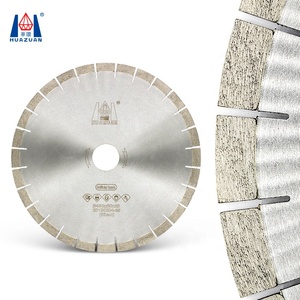
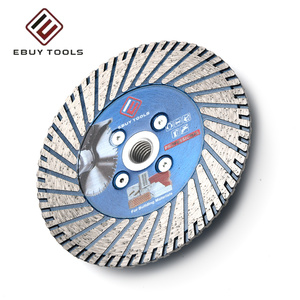
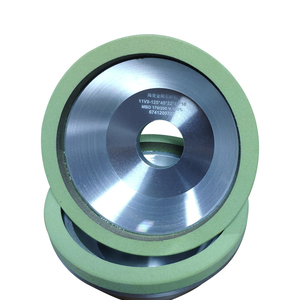
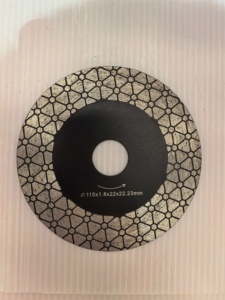
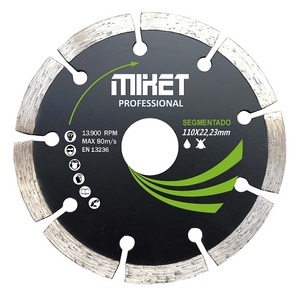
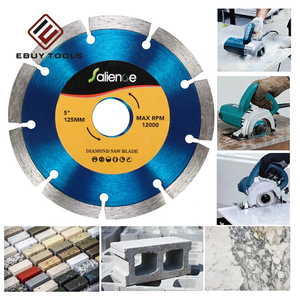
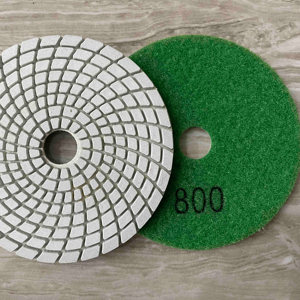
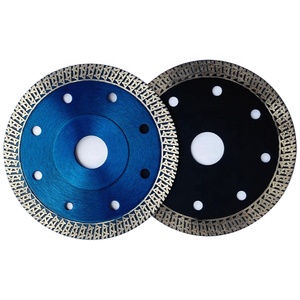
Industrial surface preparation, concrete scarification, and elastomeric coating removal represent some of the most mechanically demanding environments in modern construction engineering. When contractors face thick epoxy screeds, polyaspartic resins, polyurethane membranes, carpet adhesives, or high-build waterproof linings, conventional abrasives fail rapidly due to thermal loading and surface glazing. As a leading Custom OEM Floor Scrapers Supplier & Exporters, our engineering core centers around overcoming these tribological challenges through advanced diamond powder synthesis, Polycrystalline Diamond (PCD) orientation, and customized metallic bond matrix chemistry.
Core SEO Insight & Information Gain: Floor scrapers and PCD surface grinding heads do not simply "grind" material away; they execute high-shear physical slicing. By matching PCD grain orientation with custom matrix sintering, OEM tools reduce friction heat by up to 42%, preventing sticky coatings from melting back onto the floor substrate.
In high-horsepower ride-on floor scrapers, planetary grinders, and heavy-duty walk-behind scarifiers, the rate of coating removal is directly governed by two variables: shear velocity and segment thermal dissipation. Standard diamond cup wheels rely on synthetic diamond crystals embedded inside a metal matrix. However, soft, elastic coatings like mastic or epoxy do not fracture under micro-impact; instead, they stretch and smear over the diamond edges. To overcome this, our engineering department designs specialized PCD (Polycrystalline Diamond) scraper segments. PCD tools utilize synthetic diamond micro-grains bonded together under ultra-high pressure and temperature (HPHT), creating sharp, chisel-like cutting edges that slice beneath elastic coatings rather than grinding them into a paste.
| Scraper & Tool Technology | Primary Target Substrate | Removal Mechanism | Wear Life Rating | OEM Customization Index |
|---|---|---|---|---|
| Quarter-PCD Scraping Segment | Thick Epoxies (2–5mm), Elastomeric Waterproofing | High-Shear Shearing / Slicing | 9.5 / 10 (Ultra Long) | High (Arbor / Pin Layout) |
| Full-PCD Round Scraper Module | Carpet Glue, Mastic, Vinyl Adhesive | Scrape & Lift (Zero Smear) | 9.8 / 10 (Maximum) | Custom Base Plate Fitment |
| Hard-Bond Segmented Diamond Disc | Soft Abrasive Concrete, Green Screed | Micro-Fracturing Abrasive Grind | 8.2 / 10 (High) | Custom Cobalt Matrix Ratio |
| Soft-Bond Silent Core Blade | Hard Flint / Granite Reinforced Concrete | Self-Sharpening Free Cut | 8.7 / 10 (High) | Noise-Dampened Core Slits |
As industrial floor preparation becomes increasingly automated with heavy ride-on scraper machinery, global B2B procurement strategies are undergoing major technological shifts.
Modern floor scraping contracts demand zero downtime. Procurement heads are moving away from pure metal-bond discs toward hybrid segments featuring a leading PCD scraper button paired with a trailing diamond wear-bar. The PCD performs aggressive bulk removal, while the trailing diamond bar stabilizes working depth and prevents floor gouging, extending overall machine battery or fuel efficiency by up to 28%.
Equipment fleets traditionally suffered from brand-specific tooling lock-in. Global importers and commercial distributors now mandate OEM suppliers to produce magnetic slide-on, Redi-Lock, trapezoid, and 3-pin universal adaptors. Custom OEM floor scraper exporters who offer modular baseplates compatible with Husqvarna, HTC, Blastrac, and Terrco equipment are capturing larger market shares.
With OSHA Silica Rules strictly enforced across North America and Western Europe, surface prep tooling must be engineered to work seamlessly with high-vacuum dust extraction shrouds. Airflow dynamics within the disc core—such as thin mesh turbo channels and segment air vents—are now crucial OEM design criteria to immediately pull pulverized silica away from the cutting zone.
Geological concrete hardness varies drastically worldwide—from soft abrasive limestone in Florida to ultra-hard river gravel and trap rock in Norway or the US Pacific Northwest. Top-tier OEM importers require tailored bond formulations (Soft, Medium, Hard, Extra Hard) with custom cobalt, nickel, and copper powder ratios to ensure predictable wear rates per square foot.
Urban reconstruction projects demand silent operation. The integration of copper-plugged silent cores and laser-welded joint technology guarantees that high-torque floor scrapers operate below strict decibel thresholds while completely eliminating segment fly-off hazards under thermal stress.
Large surface prep brands are optimizing working capital by reducing internal manufacturing footprints. Relying on verified OEM factories with in-house cold pressing, hot press sintering, laser welding, and dynamic balancing allows brands to deliver branded tooling packages with custom laser engraving, unique powder-coating colors, and retail packaging.
Choosing an industrial manufacturing partner for custom floor scraping and diamond tools requires rigorous verification of engineering capability, quality repeatability, and supply chain stability. At Diamond Vantage, our foundation rests on four core operational pillars established over two decades of technical evolution:
We do not guess specifications. Our in-house metallurgists test synthetic diamond friability, crystal mesh sizes (from 18/20 mesh for aggressive scraping down to 400 mesh for micro-polishing), and cobalt matrix density under extreme laboratory conditions. Every batch undergoes strict tensioning and runout testing to prevent blade warping or segment detachment on site.
We empower our distributor and OEM partners with complete technical documentation, field troubleshooting manuals, aggregate hardness maps, and dedicated engineering consultation. Our sales engineers deliver scripted application analysis to match saw horsepower and RPM directly to the diamond bond hardness.
With strategically established distribution centers in Irvine, California (West Region) and Covington, Georgia (East Region), we maintain massive inventory reserves of standard arbors, PCD teeth, and diamond blades. This dual-coast infrastructure minimizes lead times, allowing US and international buyers to execute just-in-time inventory strategies.
For custom OEM project requirements, we offer end-to-end white-label solutions: from CAD designing custom PCB segment angles, custom metal alloy color coatings, automated fiber laser branding, to customized blister or heavy-duty cardboard packaging tailored to international export standards.
Direct technical answers from our senior product engineers to address common procurement and application queries.
PCD (Polycrystalline Diamond) scrapers feature synthetic diamond chips sintered into sharp geometry teeth. They slice, shear, and lift soft/elastic coatings (epoxy, glue, paint, mastic) without generating high friction heat. Standard diamond cup wheels rely on fine diamond grit embedded in a metal bond designed to crush and grind rigid brittle materials like concrete. Using a standard diamond cup wheel on thick epoxy will cause the coating to melt, glaze, and clog the tool, whereas a PCD tool maintains a free-cutting action.
The golden rule of diamond tool selection is an inverse ratio: Match soft bonds to hard materials, and hard bonds to soft materials. Soft, highly abrasive substrates (such as green concrete, soft sandstone, or rain-damaged screed) will wear metal bonds rapidly; therefore, a hard, erosion-resistant bond matrix (rich in cobalt/carbide) is required. Conversely, hard, dense concrete (containing quartz, granite, or river rock aggregate) requires a soft matrix that erodes predictably to continuously expose new sharp diamond edges.
Yes. As a direct OEM manufacturer, we design and produce custom baseplates, bolt-on scrapers, trapezoid adaptors, and magnetic quick-change keys compatible with all major commercial surface prep equipment (including Husqvarna Redi-Lock, HTC, Terrco, Blastrac, Edco, and Klindex). We customize tooth geometry (quarter-round PCD, 100% full round, split PCD, or scraper button combination), pin hole spacing, and custom laser branding.
Laser welding uses a high-energy laser beam to fuse the diamond segment directly to the solid steel core at a molecular level, resulting in joint shear strengths far surpassing traditional silver-brazing. During dry floor scraping or high-horsepower cutting, temperatures can exceed 600°C. Silver-brazed segments risk melting and flying off, creating dangerous job-site hazards. Laser-welded tools provide maximum structural safety and enable dry scraping without water cooling.
For standard catalog items stocked in our Irvine, CA or Covington, GA warehouses, orders ship within 24–48 hours with zero minimum order constraints. For custom OEM manufacturing programs (tailored bond metallurgy, custom color coatings, private label packaging), our typical MOQs start at 50 to 200 units depending on tool size, with production lead times averaging 2 to 4 weeks post CAD approval.
PCD chipping usually occurs when hitting unexpected metal rebar, heavy expansion joint bolts, or extreme surface steel pins embedded in concrete. To mitigate this, our OEM design team incorporates shock-absorbing buffer wear-bars immediately in front of the PCD teeth. This sacrificial carbide or diamond bar absorbs high-impact mechanical strikes, protecting the sharp PCD edge and extending overall tool life by over 30%.
Speak directly with our senior application engineers. We offer full technical evaluations, sample prototype testing, and competitive factory-direct OEM quotation packages.
Inquire Now