
Engineered for maximum aggregate exposure, high-speed anti-slip profiling, and superior concrete surface preparation (CSP 3 - CSP 6).
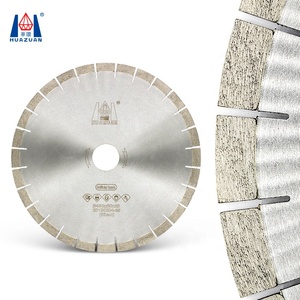
Featuring a vibration-dampening silent core engineered for high-rpm slab calibration and precise edge profiling without micro-chipping.
Send an Inquiry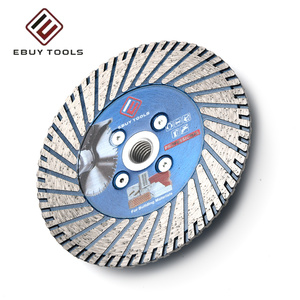
Multi-purpose continuous turbo rim blade designed for heavy building materials, marble, high-PSI concrete, and structural brick.
Send an Inquiry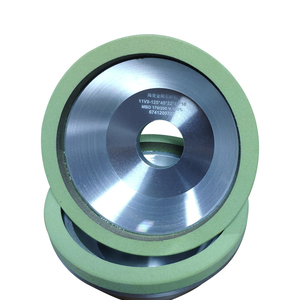
Resin and metal-bonded deburring wheel tailored for glass, aluminum, technical ceramics, and precision hard-alloy surface prep.
Send an Inquiry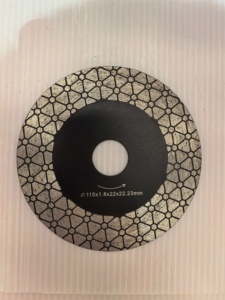
Ultra-thin mesh segment geometry ensuring fast, chip-free dry or wet cutting across porcelain tiles, granite, and vitrified materials.
Send an Inquiry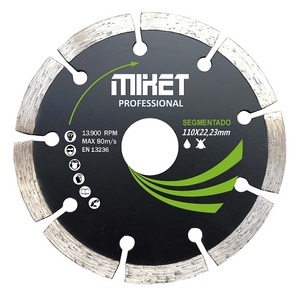
Heavy-duty laser-welded diamond segments designed for OEM applications in hard concrete demolition, pavers, and masonry brick.
Send an Inquiry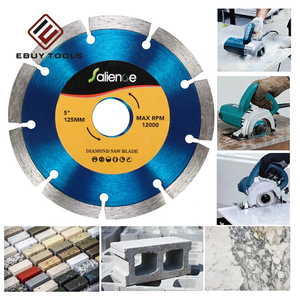
Rigid alloy steel core coupled with matrix-matched diamond grit for straight, distortion-free deep cutting in reinforced concrete.
Send an Inquiry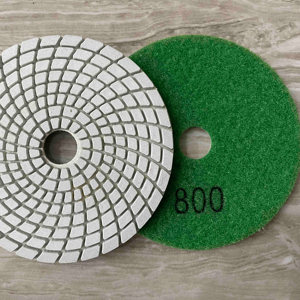
Flexible electroplated and resin diamond discs ideal for curved edge bush hammering cleanup, bullnose finishing, and stone honing.
Send an Inquiry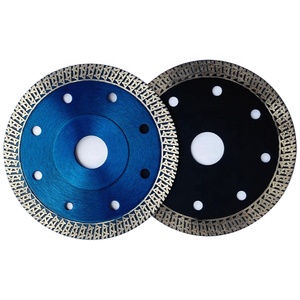
1.2mm ultra-slim kerf engineering for high-speed precision cutting of vitrified tiles, granite trim, and delicate ceramic pieces.
Send an InquiryUnlike standard trading intermediaries, true manufacturers control metallurgical bonding, carbide tip brazing, dynamic balancing, and laser welding in-house.
From tungsten carbide sintering to final plate tensioning, every process is conducted under rigorous ISO9001 quality management systems.
Controlled diamond grit placement ensures maximum contact efficiency, faster surface texturing, and extended operational lifespans.
Strategically backed by deep inventory stocking hubs in Irvine, CA (West) and Covington, GA (East) for rapid global dispatch.
Tailored carbide pin configurations, custom arbor adapter plates (Klindex, Lavina, Frankurt, HTC), and private brand packaging.
In modern architectural stone fabrication and concrete surface preparation, the demand for high-performance bush hammers has surged dramatically. A bush hammer is a specialized mechanical rotary tool equipped with pyramid-shaped tungsten carbide points or PCD (Polycrystalline Diamond) inserts. Designed to strike stone or concrete surfaces repeatedly, it creates an anti-slip, rough texture resembling naturally weathered rock or exposed aggregate. For commercial procurement managers, civil engineering contractors, and OEM distributors, identifying a tier-one manufacturing partner is paramount to operational safety and unit economics.
SEO & Engineering Insight: The true value of a bush hammering system lies not merely in initial purchase cost, but in its Total Cost of Ownership (TCO), micro-crack prevention rate, carbide pin retention strength, and dynamic balancing precision across high-RPM grinding machines.
Top-tier exporters differentiate themselves through proprietary metallurgical formulation. Standard low-tier bush hammers frequently suffer from carbide tip fractures or premature detachment during high-impact floor grinding. Leading factories leverage vacuum sintering and silver-copper high-frequency brazing technology to bind YG8 or YG11 grade tungsten carbide to high-tensile alloy steel bodies.
When selecting a supplier among the top 10 factories globally, buyers must examine the hardness rating (HRA 89–92) of the carbide pins. Furthermore, for specialized epoxy, mastic, or elastomeric coating removal, advanced manufacturers combine bush hammer rollers with PCD bits to prevent roller clogging (glazing) while executing aggressive surface profiling.
A premier global exporter must maintain extensive adapter tooling compatibility across international floor grinding and stone fabrication machinery brands. Standardized mounting plates include:
Designed for automatic bridge polishing machines and heavy continuous line machinery processing granite and marble slabs.
Direct mechanical fitment for Lavina, Scanmaskin, Husqvarna/Redi-Lock, and Klindex planetary floor grinders.
4.5", 5", and 7" specialized hand-held bush hammer wheels with protective dust shrouds for stairs, edges, and vertical walls.
According to International Concrete Repair Institute (ICRI) standards, mechanical surface prep requires specific Concrete Surface Profile (CSP) achievement prior to applying self-leveling underlayments, polyaspartic coatings, or heavy industrial overlays. Standard diamond cup wheels typically peak at CSP 1 to CSP 2. In contrast, heavy-duty 45-pin or 30-pin bush hammer rollers effortlessly hit CSP 3, CSP 4, and CSP 5 without micro-fracturing the underlying concrete matrix.
By shattering hard aggregate at a microscopic level, bush hammering generates an ideal mechanical key for high-bond structural epoxy adhesion. Furthermore, when applied to outdoor pedestrian plazas, marble staircases, and granite paving stones, factory-calibrated bush hammers deliver repeatable, non-slip friction ratings meeting strict international slip resistance standards (DIN 51130 R11/R12 ratings).
As global construction sites enforce stricter silica dust regulations and demand faster jobsite completion, several macro trends are reshaping how procurement directors select their bush hammer suppliers:
Modern planetary floor grinders are increasingly automated. Next-generation bush hammer rollers must undergo 100% dynamic computer balancing to eliminate high-frequency resonance vibrations that damage electric motors and drive gearboxes on robotic grinding rigs.
Engineers are pioneering hybrid designs that interleave solid tungsten carbide pyramids with embedded diamond matrix segments. This hybrid architecture simultaneously fractures hard aggregate while honing high spots, reducing overall surface preparation steps from three passes down to a single efficient operation.
Dry bush hammering generates significant particulate dust. Leading factories are now supplying specialized vacuum-sealed dust shrouds integrated directly into the tool head assembly, enabling 99.9% dust capture efficiency when combined with HEPA dust extractors.
Ensure your supply chain remains resilient, cost-effective, and fully compliant with industrial specs.
Verify that the vendor provides documented chemical certifications for raw tungsten carbide grades and alloy steel plates to ensure uniform wear across batch orders.
Top factories conduct destructive shear stress and rotational torque testing to guarantee pin retention under extreme lateral forces during continuous grinding.
Bush hammer rollers rely heavily on internal bearings. Demand high-RPM, dust-proof NSK or SKF sealed bearings with high-temperature synthetic lubricant fill.
Choose manufacturers offering individual replaceable roller cartridges and carbide pins rather than requiring complete plate replacement upon natural wear.
Partner with factories maintaining regional stocking hubs (such as US West and East coast facilities) to prevent project downtime caused by ocean freight delays.
Clear, engineering-backed solutions to common questions regarding bush hammer selection and global vendor evaluation.
A standard diamond cup wheel grinds and shears the surface through diamond grit friction, creating a smooth or lightly scratched surface (CSP 1-2). A bush hammer uses mechanical impact from rotating carbide pyramid pins to fracture concrete or stone aggregate, creating a deep, textured, anti-slip profile (CSP 3-5) ideal for thick coating removal or outdoor architectural stone finishes.
The number of pins dictates the texture density. Rollers with fewer pins (e.g., 30 or 45 pins) exert higher point pressure, producing a rougher, deeper texture suitable for heavy epoxy removal or high-friction paving. Rollers with higher pin counts (e.g., 60 to 99 pins) produce a fine, uniform sandblasted finish ideal for delicate interior stone polishing prep.
Yes. Premium bush hammers engineered by leading factories feature high-grade stainless seals and heat-resistant bearing greases. Wet operation controls airborne silica dust and flushes slurry away, extending roller bearing life. Dry operation is equally feasible provided a specialized dust extraction shroud and HEPA industrial vacuum system are connected.
Bush hammers should generally operate at lower rotational speeds than traditional diamond pads. The recommended operating range for floor grinders is typically between 500 RPM and 900 RPM. Excessive RPM can lead to premature bearing overheating or reduced impact force per rotation. Always consult manufacturer guidelines for exact machine matching.
Yes. As a direct manufacturer established in 2003, we provide full OEM/ODM services, including custom laser engraving, specific arbor bolt patterns (Lavina, Klindex, Husqvarna, HTC, Frankfurt), tailored carbide pin geometries, and private distributor packaging.
Our technical team provides customized tool specification matching, CAD plate fitting assistance, and direct OEM pricing schedules within 24 business hours.
Send an Inquiry