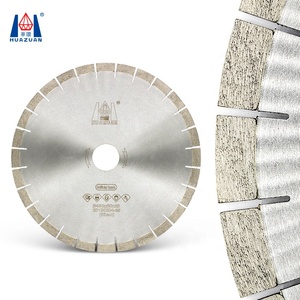
Engineered Quartz / Granite
16 Inch Diamond Cutting Disc with Silent Core
Specially formulated sandwich metal matrix designed for vibration reduction, ultra-clean edges, and noise control on engineered stone slabs.

Explore our top-performing diamond grinding shoes, ultrathin discs, and heavy-duty concrete cutting blades engineered for maximum removal rates and ultra-low cost per square meter.
Specially formulated sandwich metal matrix designed for vibration reduction, ultra-clean edges, and noise control on engineered stone slabs.
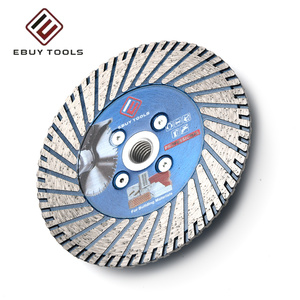
Aggressive turbo rim profile for rapid dry cutting of reinforced concrete, marble, hard brick, and general building materials.
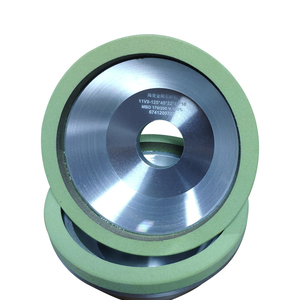
High-precision resin and metal-bonded wheel with PCD elements for edge chamfering, deburring, and glass-ceramic processing.
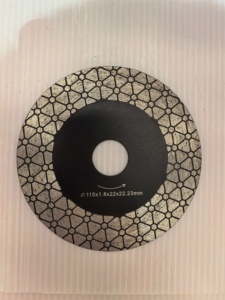
Ultra-thin mesh segment geometry designed to prevent thermal cracking and chip-free cutting of fragile porcelain and marble tile.
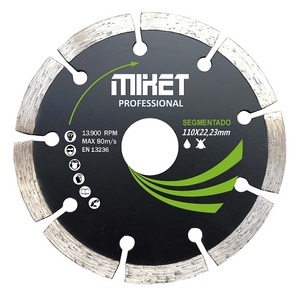
Laser-welded segmented core with high diamond concentration for heavy wet/dry cutting in dense aggregate concrete.
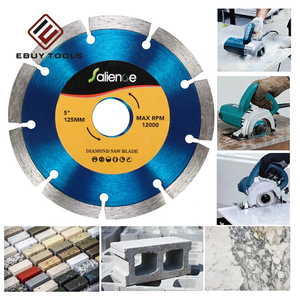
Optimized key-slot gullet design facilitates rapid heat dissipation and chip evacuation during intensive angle grinder operations.
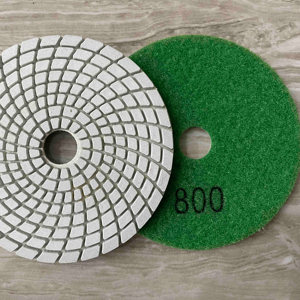
Electroplated and resin-bonded flexible pads engineered for smooth contour finishing on quartz, granite edge profiles, and concrete counters.
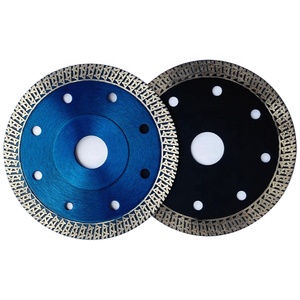
Sintered hot-pressed matrix delivering maximum cutting speed, reduced material friction, and high structural longevity on hard vitrified slabs.
In modern industrial floor preparation, surface coating removal, and architectural concrete grinding, the choice of diamond grinding shoes dictates the boundary between project profitability and operational failure. Concrete substrate dynamics vary drastically based on geological aggregate composition, compressive PSI strength, curing history, and moisture levels. Sourcing high-performance diamond tooling from experienced China grinding shoes suppliers requires an in-depth understanding of matrix powder metallurgy, bond soft-to-hard ratios, diamond synthetic grit concentration, and machine-head kinematics.
This technical whitepaper provides surface preparation contractors, OEM procurement directors, and diamond tool importers with an authoritative evaluation of China’s leading manufacturing infrastructure, segment geometry innovations, matrix wear dynamics, and global supply chain strategies for 2026 and beyond.
Our proprietary metallographic bonding matrix balances cobalt, iron, nickel, and copper powders to control the precise micro-fracturing rate of synthetic diamond crystals under extreme thermal load.
From single/double bar configurations to arrow, boot, rhombus, and PCD scraper inserts—each segment layout optimizes contact pressure (PSI) and swarf evacuation paths.
Direct-fit quick-change backing systems fully compatible with Husqvarna Redi Lock, HTC EZchange, Lavina, Scanmaskin, ASL, and Klindex planetary floor grinders.
The foundational principle of efficient concrete grinding lies in the Inverse Bond Rule: soft concrete requires an ultra-hard metal bond, while hard concrete requires a soft, free-cutting metal bond. When grinding soft, highly abrasive green concrete or rain-damaged slabs, loose silica particles act as an aggressive slurry that rapidly erodes soft metallic binders, causing premature segment loss ("undercutting"). Conversely, grinding hard-troweled 6,000+ PSI concrete with a hard metal bond leads to diamond glazing, where synthetic diamonds wear flush with the matrix, resulting in friction heating, machine bogging, and glazed surfaces.
| Concrete Type | Compressive Strength (PSI) | Aggregate Character | Recommended Bond Matrix | Diamond Grit Range |
|---|---|---|---|---|
| Extremely Hard | > 6,500 PSI | Trap Rock, Chert, Quartzite | Super Soft (Copper/Bronze Rich) | 16 / 30 Mesh |
| Hard Concrete | 5,000 – 6,500 PSI | River Gravel, Granite | Soft Bond Matrix | 30 / 50 Mesh |
| Medium Concrete | 3,500 – 5,000 PSI | Crushed Limestone, Basalt | Medium Hard Matrix | 30 / 60 Mesh |
| Soft Concrete | 2,500 – 3,500 PSI | Abrasive Sand, Soft Limestone | Hard Bond Matrix | 16 / 30 Mesh |
| Abrasive Screed | < 2,500 PSI / Green Concrete | Sharp Silica, Volcanic Ash | Extra Hard (Cobalt/Tungsten Carbide) | 6 / 16 Mesh |
Unlike trading intermediaries that private-label off-the-shelf items with variable tolerances, a true tier-1 China manufacturer maintains complete vertical control over every production vector. From raw diamond grit selection and metal powder micronization to vacuum sintering, cold pressing, laser welding, and dynamic balance tensioning—vertical integration ensures batch-to-batch consistency.
Our manufacturing complex houses high-precision automated hot-pressing sintering machines, computerized laser-welding stations, and advanced testing laboratories. We perform real-world field benchmarks across varied concrete samples to verify cut rate, segment wear life, and thermal dissipation performance.
The geometric layout of diamond segments directly governs the distribution of machine head pressure. Selecting the appropriate shoe configuration involves balancing surface removal aggressiveness against machine motor power:
As global construction standards lean toward faster project turnaround times, dustless grinding systems, and stricter environmental compliance, procurement strategies for diamond tools are evolving rapidly. International buyers are prioritizing five key technological shifts when selecting supplier partners in China:
Traditional grinding shoes required contractors to execute two separate passes: first with PCD shoes to strip coatings, followed by metal-bond shoes to smooth scratch patterns. Next-generation hybrid shoes integrate PCD chips directly alongside micro-diamond metal segments. This single-pass hybrid design reduces labor hours by up to 40% on commercial renovation sites.
With environmental regulations tightening in North America and Western Europe, leading suppliers are shifting toward eco-conscious powder metallurgy. Formulations substituting cobalt with advanced iron-nickel-copper micro-alloys maintain high tensile strength while eliminating toxic dust components during dry grinding operations.
Flooring contractors operating mixed machinery fleets face high inventory costs when stocking separate shoe bases for Husqvarna, HTC, Lavina, and Terrco grinders. Modern suppliers provide universal magnetic or pin-lock adapter plates that accept standardized slide-in grinding shoes across all major equipment brands.
High-volume exporters are moving away from evaluating tools solely by initial unit price. Advanced contractors analyze Total Operating Cost per Square Meter ($/m²). Higher diamond concentration and optimized sintering bond consistency yield lower overall tooling consumption despite slightly higher upfront segment costs.
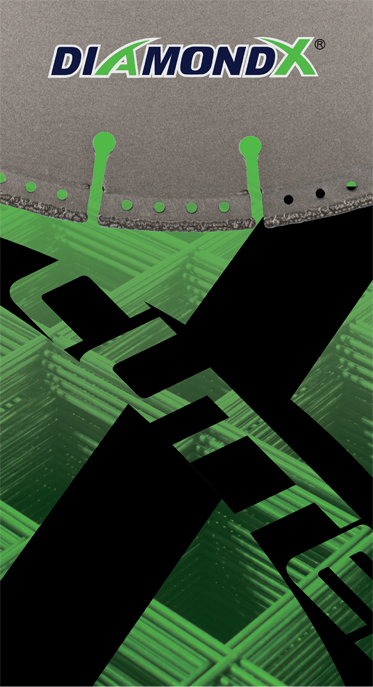
Engineered diamond alignment guarantees uniform distribution throughout the segment volume, providing consistent cut speed from the first millimeter to the last.
Replaces fragile abrasive wheels with vacuum-brazed diamond technology, eliminating wheel breakage hazards while delivering up to 70x longer service life.
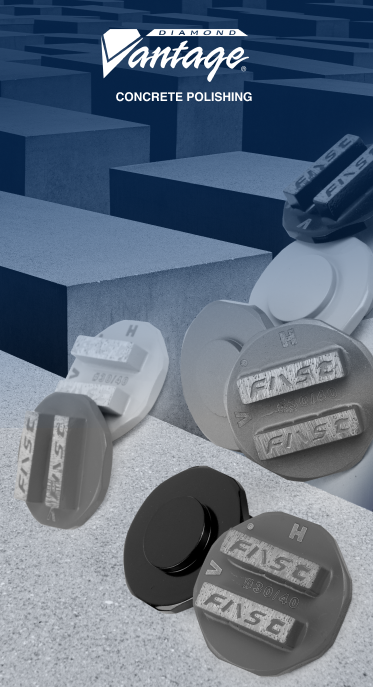
A systematic transition from heavy metal bond shoes to transition ceramics and high-gloss resin pads designed to achieve specified clarity levels with minimal steps.
Looking ahead, China’s top diamond tool exporters are heavily investing in smart manufacturing lines. Computer-controlled pressure-temperature feedback loops during segment vacuum sintering ensure density variance remains under 0.5%. Furthermore, color-coded bond identification systems matching Mohs hardness testing kits allow jobsite technicians to quickly select the exact grinding shoe bond, eliminating field trial errors and costly segment glazing.
Technical guidance, order specifications, and global sourcing solutions answered directly by our senior diamond tool engineers.
Choose single segment shoes when operating lighter grinders (under 200 kg) or when working on extremely hard concrete (>5,000 PSI) where higher down-force per segment is necessary to keep diamonds exposed. Choose double segment shoes for heavier machinery (>300 kg) on medium or soft concrete to extend tool service life and maintain a smoother floor profile.
Polycrystalline Diamond (PCD) shoes use synthetic diamond scrapers that scrape and shear thick surface coatings (epoxy, mastic, polyurethane, thin-set) without heat loading. Metal bond shoes use sintered synthetic diamond powders designed to abrade, level, and scratch concrete or stone surfaces.
Yes. We manufacture exact base plate geometries for all major floor grinding systems, including Husqvarna Redi Lock, HTC EZchange, Lavina Quick Change, Scanmaskin, ASL, STI Prep/Master, and universal bolt-on pattern plates.
Absolutely. As a direct manufacturer, we offer comprehensive OEM programs including custom metal matrix bond engineering based on regional aggregate samples, custom paint color matching, laser-etched logos, and customized packaging for distributors.
Test the concrete floor aggregate using a Mohs scratch test kit. If the concrete scratches at Mohs 2-3 (soft), select an extra-hard bond matrix. If it scratches at Mohs 6-7 (extremely hard), select a soft or super-soft bond matrix to ensure self-sharpening diamond exposure.
All structural concrete grinding segments undergo automated high-frequency induction silver brazing or high-energy laser welding. Every batch is subjected to torque shear testing exceeding industry standard tolerances to guarantee complete safety during high-RPM operations.
Talk directly with our product engineers to request customized spec recommendations, test samples, or OEM distributor price schedules.